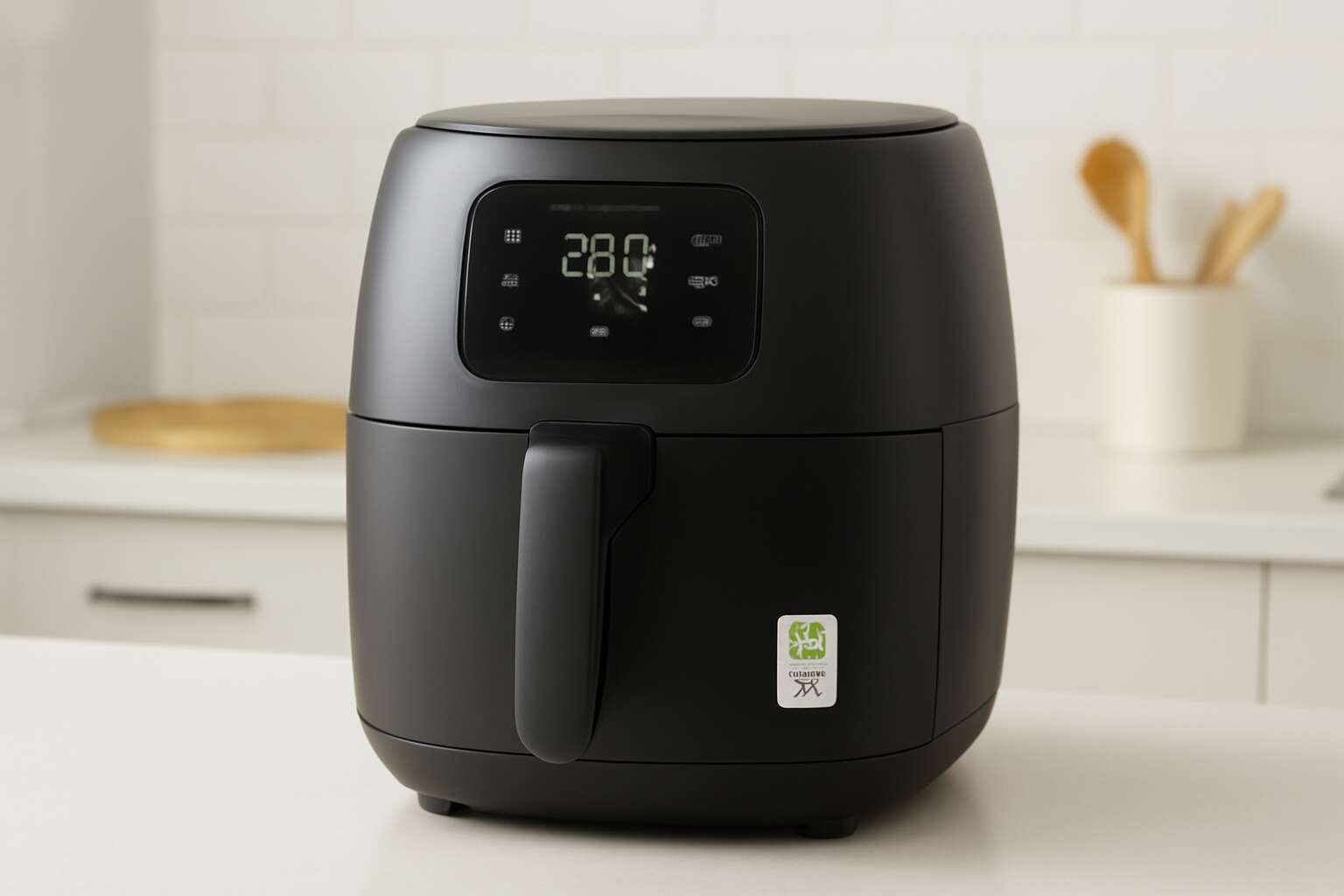
Understanding energy usage of air fryers
What constitutes energy use in air fryers
Power meters in South Africa whisper a surprising truth: air fryers can slash energy use compared with traditional ovens. In many homes, a well-chosen model delivers tasty results while sipping power, turning weeknight meals into lightning-fast stories of efficiency!
Understanding air fryer energy consumption begins with what actually uses power inside the unit. The coil, the fan, and the timer all contribute, but it is the balance of wattage, preheat, and cook time that sets total energy use.
- Wattage and heating element efficiency
- Preheat time and total cook duration
- Basket size and air-flow design
These elements fuse into a compact, mythic engine that powers your supper with elegance. The more you learn how energy moves inside, the more every crisp bite feels like a small, bright triumph.
Wattage and cooking time influence
In South African kitchens, air fryer energy consumption can shrink weeknight power bills by as much as 55% compared with a traditional oven. The claim might sound like magic, but it rests on a simple truth: smaller, faster hot air can do more with less.
Wattage is the drumbeat of the unit—higher numbers rush the heat, but the real savings come from how quickly the element reaches the target and how long you keep it there. Short, precise cook cycles beat long, lazy roasts every time.
The true hero is airflow: a compact chamber and clean air paths move heat efficiently, so you get crisp edges without wasting a drop of energy.
Energy ranges by model and capacity
South Africa’s kitchens have discovered a tiny powerhouse that trims power bills: the air fryer. Energy usage can drop by as much as 55% versus a traditional oven on weeknights. Understanding air fryer energy consumption means looking beyond wattage and toward how the model’s capacity and airflow translate into real cook cycles—short, sharp, and surprisingly efficient.
- Compact models (roughly 3–4 litres) sip power but heat more slowly—crisp results with gentle energy flirtation.
- Mid-size units (5–7 litres) balance energy use with quicker preheat and reliable browning.
- Large-capacity models (8+ litres) serve more, yet clever airflow keeps energy per gram in check.
Ultimately, the dance between airflow and cycle timing shapes air fryer energy consumption more than a sticker price ever will.
How to read energy specifications and labels
Power in a pocket-sized frame, air fryer energy consumption proves you don’t need a bigger oven to chase lower bills. In South Africa’s kitchens, this tiny device can outpace a traditional oven on weeknights, and the impact feels almost supernatural as the meter drops.
Understanding air fryer energy consumption isn’t about staring at watts; it’s about per-cycle energy use and annualized estimates. Labels often reveal kilowatt-hours per year, plus efficiency icons—the numbers translate into real cooking cycles in a busy South African home.
- Per-cycle energy use (kWh)
- Estimated annual energy consumption
- Local labeling cues and efficiency icons
In practice, airflow and cycle timing shape energy use far more than sticker price suggests. The story on the label is a whisper of what actually happens when you cook, a quiet arithmetic that keeps homes cool and wallets content.
Factors influencing energy consumption
Impact of preheating and temperature
In the quiet glow of a South African kitchen, preheating unfurls like a quiet incantation. Each moment the unit warms becomes part of the air fryer energy consumption tale, a reminder that heat is currency and timing its debt!
Temperature stability, load spacing, and basket geometry tilt the energy balance. In many homes, even small misalignments push the machine to work harder and raise the bill. Consider these factors as quiet guides to how heat travels through food:
- Preheating duration and its place in energy use
- Temperature settings and how stability affects draw
- Food load and spacing to maintain airflow
- Basket design and accessories that influence circulation
Let the room’s air become an ally rather than a thief! With these subtleties in mind, energy use feels less like a numbers game and more like a balanced symphony, where heat and motion harmonize rather than race.
Food load size and distribution
South African kitchens glow with the hush of late afternoon sun, and even the act of loading an air fryer becomes a study in energy. The size and arrangement of your batch subtly steer air fryer energy consumption, turning simple meals into moments of efficiency and wonder.
Food load size and distribution shape how heat travels and how long it lingers in the chamber, a delicate ballet that touches the wallet in unexpected ways. When items cling together, hot air struggles to weave through, nudging consumption higher. Distinct pieces with space between them let air flow do its work, contributing to air fryer energy consumption.
- Airflow-friendly spacing that minimizes clumping and gaps
- Density and surface contact that influence heat transfer
- Symmetry and even distribution to encourage circulation
Cooking duration and batch frequency
Time is money, and every minute spent in a hot kitchen writes a different kind of arithmetic on the electricity meter. In South African homes, the late-afternoon hush makes the air fryer feel less like a gadget and more like a trusted performer, whispering efficiency into dinner. The music of our meals is choreographed by the glare of the sun and the quiet hum of the clock.
Cooking duration and batch frequency are the twin levers of energy consumption. Shorter cycles force more runs, nudging the meter with each restart. Longer sessions keep heat in play, letting the oven maintain a steadier rhythm. Together, they sculpt air fryer energy consumption into a measure of poise and efficiency.
Different modes and settings that affect efficiency
Heat, haste, and a humming fan define air fryer energy consumption. In South Africa, late-afternoon light acts like a measuring stick, nudging every sizzle toward efficiency with a quiet arithmetic of watts. The framing shapes how we weigh speed against sustenance and cost.
Modes and settings act as the dial on a careful balance between speed and steadiness. Different modes alter heat application and fan rhythm, shaping energy use in real time.
- Air Fry
- Bake
- Reheat
- Dehydrate
Automatic presets and temperature choices steer air fryer energy consumption, with higher fan speeds or tighter cycles shifting the pulse without obvious shifts in result. Subtle design cues—airflow paths and internal scheduling—keep energy use in a restrained dance.
Efficiency becomes a narrative of rhythm and restraint, not a single wattage victory.
Air fryer design and feature differences
Energy is the quiet seasoning that decides whether a meal lands as triumph or compromise. The air fryer energy consumption is not just a kilowatt stat; it’s a dialogue between build quality, heat delivery, and airflow in a compact chamber. In SA kitchens, design choices—heat retention, even airflow, and precise control—shape the bill in small, real ways.
Five design levers shape the energy footprint:
- Insulation and heat retention
- Chamber and basket geometry that boosts airflow
- Thermal control, whether steady or pulsed
- Smart sensors and auto shut-off to curb idle draw
- Door seals and gasket integrity to minimize leaks
Design tells a sharper truth than labels alone; the energy picture emerges from how a unit actually cooks, not how it promises to perform.
Measuring and comparing energy use
Estimating energy in kilowatt hours
Flipping a schnappy chick of a dish, I learned that even a humble air fryer has a story told in kilowatt hours. Measuring energy use turns culinary theater into a ledger you can read—no mystic math, just the quiet arithmetic of power and time. This is the heartbeat of air fryer energy consumption: translating sizzling scenes into numbers that illuminate choice, cost, and efficiency with a gleam of wonder.
Estimating energy in kilowatt hours sits at the intersection of science and spice. It invites us to imagine energy as a shared resource, whispering lessons about model differences and usage patterns. When we listen, the numbers reveal the true flavor of efficiency without drowning the palate in jargon.
Using plug-in electricity meters
<p Across South African kitchens, the way we cook shapes how much power we burn. When ovens sit idle and air fryers spark to life, energy use becomes a story you can read. In many homes, switching from a typical oven to an air fryer can cut kitchen energy demand by up to a meaningful margin, translating to bills that aren’t scary at the end of the month. The measure of air fryer energy consumption is a practical lens on efficiency, cost, and craft!
- Reveals real-time power draw, not just the labeled wattage
- Shows how preheating and temperature tweaks shift usage
- Enables side-by-side comparisons across meals and batches
Plug-in electricity meters peel back the mystery, revealing how cycles, preheat time, and load distribution shape real use. The numbers mirror kitchen decisions back to the wallet, turning energy talk into practical planning without guesswork.
Calculating cost per meal
Bold sparks flicker when a quiet kitchen hums with potential: a single air fryer can reshape how we think about energy in the home. A seasoned chef once said, “Light the mind, not the meter.” In South Africa’s homes, measuring the unseen cost of buzzing appliances becomes a small act of wonder.
To measure energy use, you can plug the unit into a meter and watch the readout march through a cooking cycle. This reveals the air fryer energy consumption with honesty, letting you compare models and settings without guesswork. It is the quiet detective of efficiency, turning data into clarity.
Cost per meal becomes a simple equation when you pull the numbers together: multiply kilowatt-hours by the local tariff, then divide by the number of meals produced in that cook. In South Africa, tariffs vary, so the metric shifts from model to model, batch to batch.
Comparing to other kitchen appliances
A well-tuned look at air fryer energy consumption can slash kitchen power usage by up to 60% versus a traditional oven in real South African kitchens! Plug the unit into a meter and watch the readout march through a cooking cycle—data that turns guesswork into strategy and acts as a quiet oracle for the kitchen.
When you stand these figures side by side with other appliances, the contrast becomes revelatory:
- Conventional oven: longer preheat and larger cavity, often higher peak draw
- Microwave: quick bursts but limited browning; energy use depends on load
- Toaster oven: smaller footprint, but still less efficient for larger batches than an air fryer
Interpreting energy labels and ratings
In South Africa, a precise look at air fryer energy consumption can trim monthly electricity use by up to 60% versus a traditional oven — a charge for the kitchen that pays back with every sizzling snack!
Measuring and comparing energy use becomes a small science when energy labels and ratings are read. The annual consumption estimate serves as a compass, not just peak wattage. A clear read helps households choose power-smart settings and batch rhythms that fit the family’s rhythms.
- kWh/year estimates for cross-model comparison
- Energy efficiency rating and standby power figures
- Regional testing standards reflecting South African usage
Practical energy saving strategies
Choosing the right size and model for your needs
South African kitchens crave speed and savings, and a surprising stat shows that choosing the right air fryer size can dramatically cut air fryer energy consumption on weeknights.
Choosing size and model hinges on how many people you feed, how often you batch cook, and the counter space you’re ready to devote to a gadget that promises dinner and delivers crisp results. A properly sized unit cooks evenly without long preheats, trimming wasted energy.
- Match capacity to weekly meals to avoid an appliance that sits idle.
- Prefer even-heat baskets and racks that prevent overcooking and energy waste.
- Look for energy-smart presets and auto shutoff to end cycles precisely.
Finally, in South Africa, ensure 230V compatibility and a model that fits your daily groove—because the right size beats brute-force energy use every time.
Optimizing preheating and cooking times
Many cooks discover that shorter preheats can punch above their weight in reducing air fryer energy consumption, with a recent South African kitchen survey showing homes trim peak usage on busy weeknights by up to 25%. The trick isn’t guesswork—it’s syncing preheating with actual cooking needs so foods start hot without lingering heat wasted. When timings align, you keep crisp results and soften the energy bill.
Consider these high-level factors to keep energy use in check without sacrificing flavor:
- Load distribution and airflow: keep an even layer for steady heat and consistent results.
- Carryover heat and basket design: let residual warmth finish gentle tasks without overheating edges.
- Presets and auto shutoff: rely on intelligent cycles to end runs when the meal is ready.
This approach respects South African kitchen rhythms, balancing performance with prudent energy use.
Cooking multiple items at once with racks or trays
Across South Africa’s kitchens, busy weeknights see energy spikes disappear when meals are staged together. A simple trick—cooking multiple items at once with racks or trays—harnesses steady airflow and shortens total cook time. You can curb air fryer energy consumption without losing that satisfying crisp.
Tiny adjustments make a big difference. Try these practical steps:
- Use a tiered rack or two trays to create space, letting heat circulate around every piece.
- Arrange items of similar size and thickness so risk of hotspots is minimized and multiple dishes finish together.
When the racks are loaded with care, flavors stay bright and energy use stays respectful of your home’s rhythms.
Maximizing air flow and evenness of cooking
Bright evenings in South Africa kitchens reveal a simple truth: when air flows evenly, meals crisp beautifully without sipping extra kilowatts. This balance—an art of maximizing air flow and evenness of cooking—directly influences air fryer energy consumption, letting heat kiss every piece with a steady rhythm and minimal waste.
- Laminar chamber design fosters consistent heat waves
- Even spacing to encourage uniform air movement
- Stable temperatures reduce repetitive cycling
When these elements align, flavours stay bright and energy use harmonizes with the home’s rhythms, turning every dinner into a quiet triumph.
Maintaining efficiency through cleaning and care
In South Africa, where braais are social landmarks and efficiency is a virtue, clean kitchens brag about more than shine. A tidy air fryer quietly trims air fryer energy consumption, letting crispness arrive with less racket!
Maintaining efficiency through cleaning and care isn’t glamorous, but it keeps airflow unimpeded and heat steady. A grime-free basket, untouched seals, and a dry interior prevent hotspots and unnecessary cycling, making every minute of cooking feel like a well-rehearsed dance.
- Airflow pathways stay clear
- Residue on baskets and trays is minimized
- Exterior surfaces and seals stay dry and intact
Minimizing standby energy
South Africa’s kitchens hum with energy, and standby power is the quiet thief. Estimates suggest standby energy can account for a notable slice of household use, quietly swelling the bill. In this light, air fryer energy consumption isn’t just about heat and time—the idle whisper at the plug matters. Even when idle, a few watts slip away, and that compounds over days and weeks.
To tilt the balance, consider these high-level factors:
- Idle power draw varies by model and control circuitry
- Automatic shutoff and timers curb idle energy
- Design features like seals and venting influence how long warmth lingers after use
Every watt saved in the idle moments compounds into real savings on the bill and the planet, shaping a calmer, more efficient kitchen rhythm for South African homes.



0 Comments