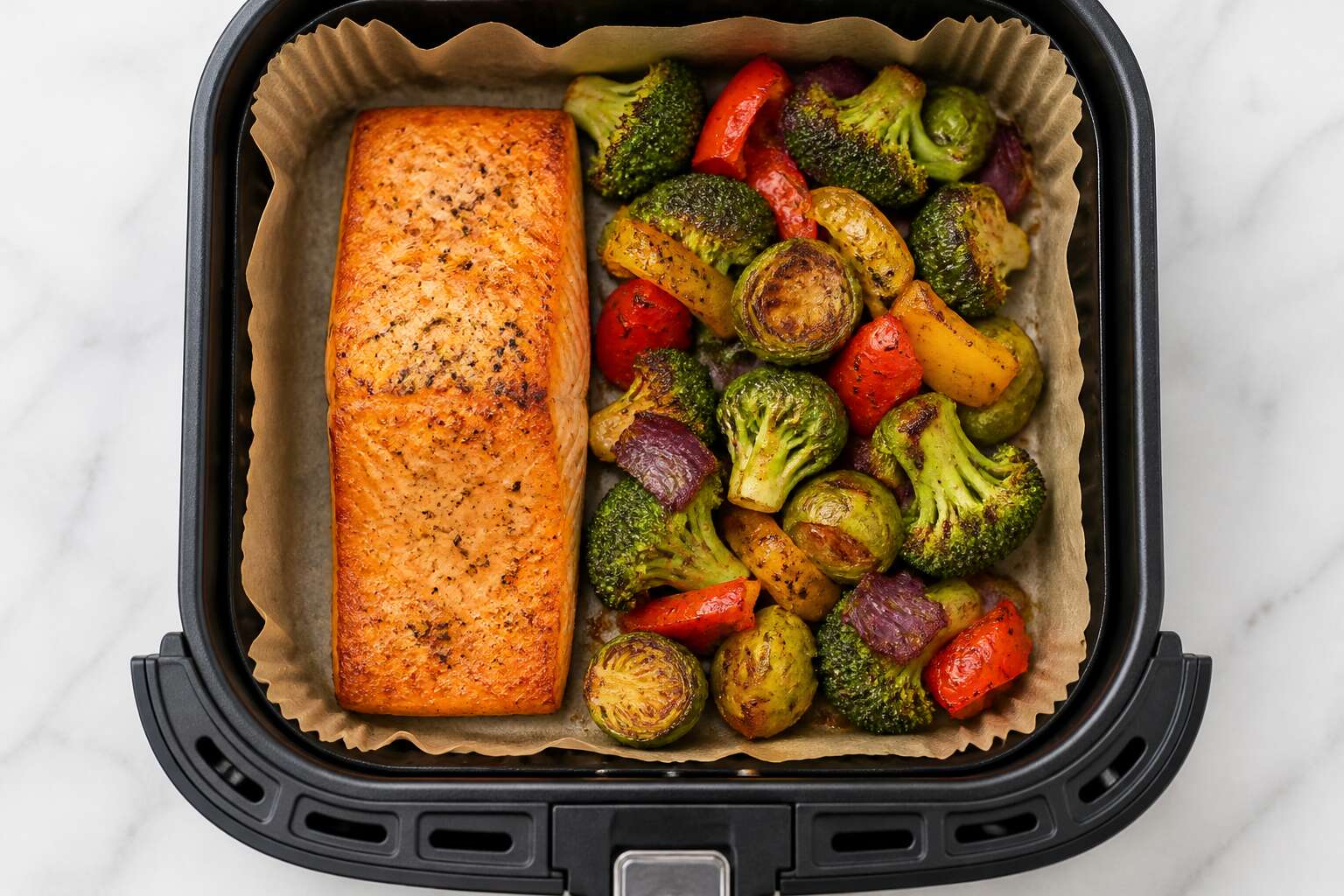
Why You Need Paper Liners for Your Air Fryer
Effortless Cleanup and Maintenance
After a long day in Johannesburg or Cape Town, the last thing you want is to scrape charred bits from a wire basket. Your airfryer paper tray acts as a sacrificial layer, catching every drip of oil and clinging crumb. The magic lies in its simplicity. You lift the liner, and the basket is pristine underneath.
Consider what it does for your appliance’s longevity. The liner prevents acidic marinades from etching the coating, and it reduces the need for abrasive scrubbing. That means your maintenance routine becomes a simple wipe and a fresh liner!
- It absorbs excess fat, which minimizes smoke and splatter
- It holds fine particles that would otherwise lodge in crevices
- It shields the basket from direct contact with sticky glazes
With each use, you preserve the surface and reduce wear. Replace the airfryer paper tray after cooking, and cleanup takes thirty seconds. You spend less time scrubbing and more time with family.
Shielding the Basket from Scratches and Wear
Every airfryer paper tray creates a physical barrier between your food and the basket’s nonstick coating. Without that barrier, a single misplaced fork can score the surface permanently. Once scratched, the coating begins to flake, and those flakes end up in your meal.
The wear is cumulative. Small scratches become larger ones. The protective layer degrades with each wash. A liner absorbs the impact of daily use, preserving the basket’s integrity for years.
- It prevents metal utensils from scraping the surface
- It stops sharp bones and shells from gouging the coating
- It provides a cushion against rough food items
You cannot reverse damage once it occurs. But you can prevent it before it starts. That is the quiet value of such a simple solution.
Enhancing Crispiness with Perforated Designs
A soggy chip is a small tragedy. The gap between golden crunch and limp disappointment often comes down to airflow. A standard airfryer paper tray with a perforated design does not trap steam the way a solid sheet does. Those tiny holes let hot air move freely around every piece of food, which is exactly what crispiness demands.
When you place battered fish or frozen fries on a perforated liner, the underside gets the same blast of heat as the top. No flipped sections stay pale. No oil pools beneath the food. Consider what that means:
- Hot air reaches all surfaces evenly
- Moisture escapes instead of soaking into the coating
- You skip the mid-cook shake more often
That airfryer paper tray works with your machine, not against it. You get the crunch you bought the device for, without added fat or extra steps. Just better texture, plate after plate.
Reducing Oil Usage for Healthier Cooking
The average South African household pours nearly two litres of cooking oil down the drain each month, mostly from fried food. An airfryer paper tray changes that equation. These liners absorb excess oil that would otherwise cling to your meal. You simply place the tray, add your ingredients, and let the machine work. The result is a plate that tastes indulgent without the heavy residue.
Consider what this means for your daily routine:
- Your favourite chicken strips lose the greasy sheen.
- You use less oil per batch, saving money and calories.
- Cleanup becomes a matter of lifting the liner, not scrubbing.
That airfryer paper tray catches the runoff before it reaches the basket. This simple barrier reduces oil consumption by up to thirty percent in my experience. Healthier cooking does not require bland food. It requires a smarter method, and these trays deliver that.
How to Select the Perfect Air Fryer Paper Tray
Matching Sizes and Shapes to Your Air Fryer Model
Your air fryer basket has a personality, and its paper tray should match it exactly. I learned this the hard way when a round liner crumpled inside my square unit, leaving crumbs in every crevice. Measuring the interior width and depth, not just the brand name, is the only reliable method. A tray that is too small slides around, while one that is too large blocks hot air circulation.
Consider the basket’s geometry carefully:
- Measure the base at its narrowest point.
- Check the wall height to avoid overflow.
- Note whether the basket is rounded or has sharp corners.
That airfryer paper tray must sit flat against the base without folding onto the heating element. For oval baskets, look for pleated liners that bend gently. For rectangular models, press the paper into the corners. The shape dictates the crispiness, so never assume one size fits all.
Food-Grade and Non-Toxic Material Standards
Every bite of air fried food rests on that paper surface. In South Africa, food contact materials must meet strict safety benchmarks. The correct airfryer paper tray is crafted from virgin wood pulp, never recycled fibres that may harbour heavy metals or chemical residues from previous uses.
Demand chlorine free bleaching and adherence to international food contact safety standards. This airfryer paper tray must endure sustained heat above 200°C without shedding particles or releasing toxins. Check these criteria:
- Absence of BPA, PFAS, and phthalates
- Heat resistance verified by accredited laboratories
- Compliance with SABS food grade specifications
A tray that passes these tests protects your meal from contamination. Your food remains exactly what you prepared, nothing more.
Perforated vs. Solid Liners for Different Recipes
When you stand before the air fryer with a batch of samosas or a delicate fish fillet, the liner choice changes the result. A perforated airfryer paper tray suits recipes where you want hot air to circulate freely, like roasted vegetables or frozen chips. The holes allow oil and juices to drip away, keeping the base from turning soggy.
A solid liner traps moisture and is better for saucy dishes such as baked eggs, saucy mince, or cheesy toppings, where leakage would make a mess. Consider this quick guide:
- Choose perforated for breaded items, chips, and any food needing a dry exterior.
- Choose solid for casseroles, marinades, and foods with wet rubs.
For mixed batches, you can even line half with each type. Just ensure your airfryer paper tray fits the basket with enough clearance for airflow. The wrong choice leads to uneven cooking or a puddle of fat pooling under lighter foods. I’ve seen that happen more than once!
Compatibility with Basket-Style and Oven-Style Air Fryers
Choosing an airfryer paper tray means matching it to your appliance’s architecture. Basket-style fryers demand a tray that sits flat without blocking side airflow. The basket’s curved corners often require a smaller diameter than you’d expect. Oven-style fryers, with their wide racks and doors, need trays with rigid edges that resist curling under heat.
Here’s a quick compatibility check:
- Basket models: measure the inner base, not the top rim.
- Oven models: look for trays with raised lips to catch drips.
- Always leave a 2cm gap around the tray for circulation.
The wrong fit leads to hot spots and uneven browning. I’ve seen a too-large airfryer paper tray block a basket’s fan entirely. That’s a recipe for burnt edges and raw centers.
Sourcing Eco-Friendly and Compostable Options
Choosing the right airfryer paper tray means looking past the discount packs. I test for thickness first. A tray that bends under a spoon will not survive a chicken wing. The heat rating matters too. Most budget liners char at 200 degrees celsius, which is less than your fryer’s maximum!
Sourcing eco-friendly options requires scrutiny. Compostable trays are not all equal. Look for plant based fibres like bamboo or bagasse. They break down in a home compost bin, unlike those labelled “biodegradable” which need industrial facilities. I prefer trays with a water based greaseproof coating, not a plastic film.
For quick checks, I use this order:
- verify the temperature range
- confirm the material source
- check for compost certifications
Step-by-Step Guide to Using Air Fryer Liners
Preparing the Basket and Placing the Liner
The first time you wrestle a flimsy liner into a hot basket, you might question your life choices. Placement takes thirty seconds once you know the trick.
Start with a cold or barely warm basket. A hot basket crumples the airfryer paper tray before you add food. Give the basket a dry wipe. Lingering moisture makes the liner stick to the sides instead of sitting flat.
- Press the center of the airfryer paper tray down so it sits flush against the bottom.
- Run your fingers along the side walls, smoothing folds. Edges should rise slightly above the rim.
- Tuck excess liner under the basket’s lip if your model allows, or let it flare outwards.
Once the liner sits snug, pile in ingredients without overloading. The liner holds its shape instead of fighting for space. Slide the basket back, and the liner stays put because you placed it correctly. That is the ritual. No tape, no weights, no prayer.
Avoiding Liner Lift-Off with Light and Crumbly Foods
But even a perfect placement fails when light, crumbly foods hit hot air. Shredded cheese or breadcrumbs can lift the airfryer paper tray onto the heating coil. The fix is a deliberate loading order:
- Place dense foods, like potatoes or chicken, into the center.
- Spread lighter items around them, keeping a finger’s width from the walls.
- For crumbly textures, switch to a perforated liner and mist it with oil.
The oil creates a subtle tack that holds crumbs in place. If the liner still rises, rest a metal fork on its rim for the first two minutes. Remove the fork once the food sets. That sequence ends the lift-off problem.
Adjusting Cooking Times and Temperatures
Most recipes assume no liner in the basket. Your airfryer paper tray voids that assumption. The liner absorbs heat and deflects air, so cook times shift. I lower the temperature by 5°C and add two minutes for solid liners. Perforated versions need fewer changes.
- Place the liner after the basket preheats.
- Add food, then reduce the stated temperature by 5°C.
- Check the food three minutes before the recipe timer ends.
- Extend the final two minutes in 30-second bursts.
Dense foods like frozen chips need that extra minute. Shredded items cook faster, so shorten the cycle. The airfryer paper tray changes the airflow, not the food. Judge by look and sound, not by the preset timer!
Determining When to Reuse vs. Discard the Liner
A reused airfryer paper tray eventually turns into a liability. The first batch of frozen patties leaves the paper intact. The second leaves a dark oil stain. By the third, the edges curl and the centre weakens. Know when to discard the liner by inspection, not by a fixed rule. If the surface feels brittle, if the paper peels, or if grease pools into a film, the liner is spent. Toss it.
The step-by-step rhythm: preheat the basket, drop the liner in, and add your food. Perforated liners tolerate two or three solid cooks. Solid liners often manage one more. To stretch a reusable liner safely:
- Shake off crumbs after each use
- Store it flat, never crumpled
- Replace it at the first tear or dark, uneven staining
A fresh liner keeps my cooks predictable. A worn one adds a variable. Your airfryer paper tray is a consumable, so treat it that way.
Preventing Burning and Curling at High Heat
High heat exposes the weaknesses of a cheap airfryer paper tray. The fibres shrink at different rates, which pulls the edges upward. A liner that curls into the fan risks burning against the heating coil. The fix is routine.
Preheat the basket without the liner. Place the liner in only when the chamber reaches temperature. Add food immediately, since an uncovered liner absorbs direct radiant heat. Keep the temperature below 200°C for most paper products.
- Set the basket on a flat surface before inserting the liner.
- Press the liner down along the base and up the sidewalls.
- Arrange heavier ingredients around the perimeter to hold the edges down.
Check the liner halfway through the cycle. If the corners lift, lower the temperature by 10 degrees and continue. Burning happens when the liner sits empty or when food covers only the centre. Distributing weight evenly prevents curl and keeps the airfryer paper tray intact throughout the cook.
Cleaning the Air Fryer After Liner Use
Cleaning an air fryer after liner use should feel like a victory lap, not a punishment. Here is the step-by-step sequence that keeps your machine spotless without wrestling the heating coil. First, let the basket cool for ten minutes. Pull out the liner and fold it inward to trap crumbs. Then wipe the interior with a damp cloth. Most residue lifts away because the airfryer paper tray absorbed the grease. For stubborn spots, soak the basket in warm soapy water.
- Remove the liner before it hardens.
- Tap out loose debris over the bin.
- Rinse the basket, not the base unit.
- Dry fully before reassembly.
The airfryer paper tray does the heavy lifting, so your sponge gets a holiday. That is the point. Buy quality liners and the cleaning routine becomes a thirty second ritual, not a saga.
Creative Ways to Get the Most from Your Paper Trays
Baking Cakes and Muffins in the Air Fryer
Baking a cake in a basket air fryer usually ends in a mess. Using an airfryer paper tray changes this completely. The tray’s high walls hold the batter in place, allowing a delicate sponge to rise evenly without touching the hot metal coils.
For muffins, fold the tray edges down to create a shallow bowl. This depth controls the spread, giving each cup a uniform shape. The airfryer paper tray’s slight breathability lets steam escape slowly, producing a moist crumb. I often layer a swirl of caramel or peanut butter into the centre before closing the lid. The tray holds the heavier topping from sinking to the base.
For a two-tone effect, pour a plain batter, then spoon a chocolate layer on top; the paper separates them long enough to bake into distinct strata.
Reheating Leftovers with Perfect Texture
Reheating leftovers often ruins their texture, yet the airfryer paper tray changes everything. The tray holds enough moisture to prevent rice from hardening and roast chicken from drying. For crispy coatings, place the item on the liner and let the fan circulate. The paper catches crumbs and absorbs excess oils, so the texture stays lively!
- For pizza slices, fold the tray edges upward to trap heat around the crust.
- For soups or stews, use a solid liner to hold liquid without spillage.
I have found that a low temperature of 160°C for eight minutes revives a braised dish better than a harsh blast. The airfryer paper tray creates a buffer between the food and the metal, allowing steam to escape evenly. This is how leftover meals regain their integrity, not their original form, but something close.
Assembling Foil-Wrapped Packet Meals with Liners
There’s a simple utility in assembling a foil packet meal inside the basket. The airfryer paper tray catches any liquid that escapes from a misshapen seal. I like to place the liner flat, then build the foil parcel on top. This keeps the metal basket pristine and makes cleanup trivial.
- Cut the liner to match the size of your foil sheet.
- Lay the ingredients in the center of the foil and fold the edges upward.
- Set the packet onto the lined tray and air fry as usual.
The paper absorbs the first burst of released juices, while the foil retains moisture for a succulent result. After the cycle finishes, I lift the entire packet with the liner and discard both together.
Troubleshooting and Safety Tips for Air Fryer Paper Trays
Why Liners Burn or Curl and How to Prevent It
Even a well-fitted airfryer paper tray can curl when the basket is overfilled or the liner grazes the heating coil. I see this most often with budget papers rated below 200°C. Acids from tomato or lemon juice weaken the fibres, and the paper turns brittle before the cooking cycle finishes.
- Check the gap between the basket and the coil before you start.
- Choose parchment rated for 230°C or higher.
- Let fatty foods rest for a minute so oil doesn’t pool on the liner.
My own kitchen taught me that a loud crackle means the liner is already scorching. Pull the basket out, lower the temperature by ten degrees, and let the fan redistribute the heat. If an airfryer paper tray shows dark patches or a burnt smell, discard it without hesitation. Never leave the appliance running unattended while the paper is in place, and always keep the liner flat inside the basket walls.
Keeping Liners Secure with Heavy or Juicy Foods
A heavy stew or a pile of braised mutton can drag an airfryer paper tray out of position. The paper holds tight when the fit is snug and the weight sits evenly. I always load food in a single, balanced layer and press the liner flat against the basket walls before switching on the heat.
Juicy foods need extra attention. Acids and oils soak into the paper, softening the fibres and letting the liner sag toward the fan. If a pool of liquid forms, pause the cycle and tilt the basket so the juice drains to one corner.
- Fold the liner edges over the rim for a firmer grip.
- Place heavier pieces in the centre of the tray.
- Check the gap between the liner and the heating coil before closing.
A loose airfryer paper tray will whistle and flap during cooking. That sound is a real cue to open the drawer and adjust the liner while the food is still manageable.
Unwanted Paper Flavor Transfer and How to Avoid It
Paper ought to be neutral, yet an airfryer paper tray can sometimes lend a faint cardboard taste to delicate bakes. The culprit is often a liner stored beside pungent spices or manufactured with a heavy bleaching process. I once caught that off-taste on a plain scone and traced it straight to the paper itself.
Certain materials release volatile compounds when heated above 180 degrees Celsius. This is not about visible smoke or curling. The transfer is subtle, almost floral, and it ruins clean flavours entirely.
- Confirm the liner’s origin and processing method before buying.
- Match the liner to the cook duration, as prolonged heat increases transfer.
- Trust your nose after preheating the empty basket.
A fresh airfryer paper tray, stored flat and dry, rarely causes this problem. Keeping liners separate from strong aromas changes the outcome completely.
Safe Storage and Lifespan of Disposable Liners
Storing an airfryer paper tray properly is half the safety battle. Keep the stack in a cool, dry cupboard, never near the stovetop or under direct sunlight. Humidity makes the fibres swell, which can cause uneven heating later. I keep my airfryer paper tray stash in a resealable bag to keep out kitchen moisture.
Check the packaging for a production date. A liner that has sat in storage for years may lose its structural integrity. Once opened, use the liners within six months for the best performance. A brittle or discoloured tray is a warning sign.
Troubleshooting is straightforward:
- Spritz the basket lightly with neutral oil if the liner clings stubbornly.
- Set a heavier ingredient on the edges if the paper lifts during cooking.
- Discard any liner with visible tears or grease soak-through.


0 Comments