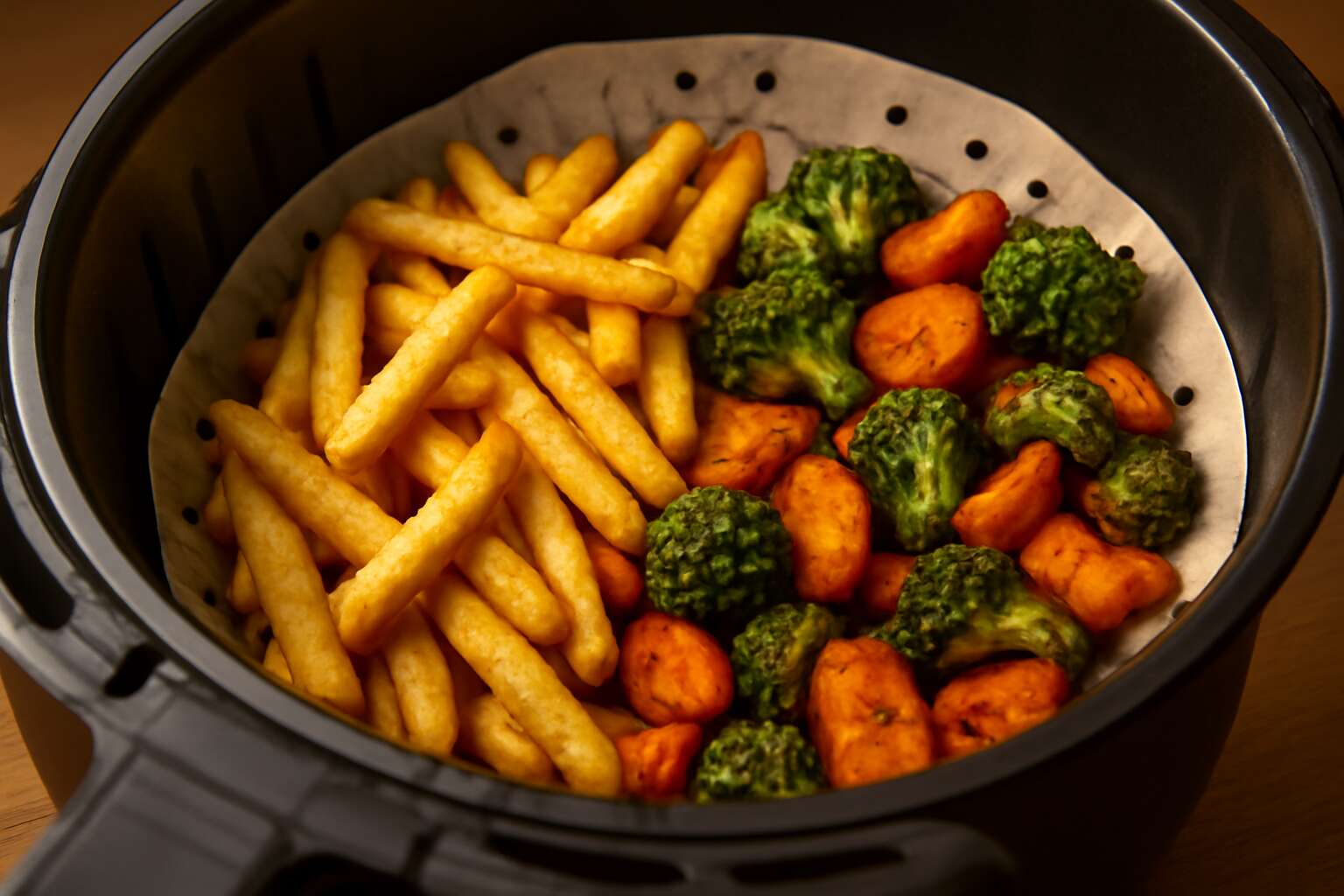
What is Airfryer Paper and How It Works
What is airfryer paper and why it’s used
“Clean counters, crisp fries—the quiet work,” says a South African home cook. This thin, heat-resistant sheet lines the basket so food lifts away cleanly, leaving the tray easier to manage after a meal. airfryer paper comes in parchment with a silicone coating or perforated variants that stay sturdy at high temperatures.
In use, its job is simple and precise:
- Prevents sticking and tearing of delicate crusts
- Catches grease and crumbs for cleaner cleanup
- Maintains airflow for even browning without stifling the heat
How it works rests on a small paradox: a sheet that blocks direct contact yet does not block the gust of hot air. Through perforations or a slick silicone coating, it shields surfaces while enabling crisping and browning. The result is less residue on trays and a cleaner kitchen narrative after every batch.
Heat resistance and safety considerations
In South African kitchens, cleanup can feel like a social contract you didn’t sign—crumbs always have the last word. More than half of home cooks say sticky post‑meal residue is their least favorite souvenir. Enter airfryer paper, the quiet guardian of heat and texture. These sheets are built to withstand high‑heat air frying while preserving airflow for crisping, typically rated up to 200–220°C. Always check the packaging for the exact ceiling.
- Temperature range on packaging (often 200–220°C)
- Perforations maintain air circulation for even browning
- Silicone coatings prevent sticking without stifling airflow
Safety considerations are simple but non‑negotiable: never let the sheet contact the heating element, and never reuse a soggy or torn sheet. Dispose of damaged bits and replace when wear shows. Store away from moisture and heat, and follow packaging guidelines for oven‑ or air‑fryer‑safe use.
Key features to look for in airfryer paper
In South Africa, cleanup often feels like a social contract you didn’t sign; more than half of home cooks name sticky residue as the least favorite souvenir. Airfryer paper arrives as a quiet guardian of heat and texture. This unassuming sheet keeps foods from the pan while letting air circulate for a crackling finish, turning chaos into a smoother kitchen symphony.
- Heat tolerance rated on packaging
- Perforations or micro-channels to retain airflow
- Food-safe coating that prevents sticking without clogging air
With the right airfryer paper, you invite a clean canvas where crisp textures emerge and kitchen rhythms stay uninterrupted.
Common myths and misunderstandings about airfryer paper
Every SA kitchen has a quiet hero hiding in the basket: airfryer paper. A slim parchment sheet with micro-perforations and a food-safe coating, it shuttles heat and air around your meal while keeping it from sticking. The result is crisper edges and less cleaning, not a paper-tasting fry. In practice, it acts like a tiny air filter and grease catcher, letting the hot breeze do the work and guiding moisture away so you can enjoy texture without chaos. What a relief!
Common myths about airfryer paper are as ancient as burnt chips. Here’s the truth:
- Myth: It blocks airflow. Reality: perforations ensure steady circulation and even browning using airfryer paper.
- Myth: It can’t handle heat. Reality: designed for typical airfryer temps and safe coatings.
- Myth: It’s only for sticky foods. Reality: helpful for anything that risks sticking, from vegetables to pastries.
Types of Airfryer Paper and When to Use Them
Parchment vs silicone liners
Across South Africa, the crisp edge of a dish often hinges on the liner chosen. airfryer paper can turn a simple batch of fries into a legend of crunch, balancing parchment’s delicate barrier with silicone’s sturdy shield.
Parchment offers a light, non-stick barrier and easy disposal, while silicone provides durability and reuse—perfect for busy kitchens chasing multiple rounds without sacrificing performance.
- Parchment for delicate items and quick cleanup.
- Silicone for larger batches and sturdier batters.
- Silicone is reusable; parchment is disposable where allowed.
In kitchens where legend meets practicality, the liner becomes a trusted ally.
Perforated vs solid sheets
Crunch is king in South African kitchens, and the right airfryer paper can turn a humble fry into crispy legend. Perforated sheets trade a delicate barrier for airflow, delivering that edge-to-edge crunch, while solid sheets act as a sturdy shield against drips and sticky batter. For items screaming for quick browning, perforated is the vibe; for sticky sauces or fragile bites, solid sheets earn their keep.
Here’s a quick guide to what to reach for:
- Perforated sheets: maximize airflow and reduce soggy bottoms
- Solid sheets: contain batters and protect delicate items
In kitchens where legend meets practicality, the liner becomes a trusted ally. airfryer paper may seem humble, but it quietly orchestrates texture, flavor, and cleanup with that signature South African charm!
Choosing the right size and fit for popular air fryers
Edge-to-edge crunch travels faster than a South African breeze when airfryer paper is right. “The liner is the quiet hero,” one kitchen sage declares, and the truth rings true in every golden fry.
When it comes to choosing airfryer paper, shape and fit matter as much as the substance. Round baskets beg for circular liners; square and rectangular trays call for tailored edges that hug the corners without crowding the basket.
- 18 cm round for compact baskets
- 20 cm round for mid-size models
- 23 cm round for larger units
To select the right size, measure the basket across the top and subtract a touch for clearance. Look for a gentle lip to lift away from heat and a nonstick surface that preserves crusts and makes cleanup a breeze.
When to use foil, baking mats, or other alternatives
Every culinary battlefront has a quiet guardian, and in the airfryer, airfryer paper is it—SA kitchens whisper about its quiet hero. The right liner crowns a batch with even browning and clean-up that feels almost magical—enough to make you smile at the first bite.
Types come in discreet forms: pre-cut rounds for round baskets, full sheets for roomy trays, and durable silicone mats for frequent cooks. Color aside, the aim is a barrier that conducts heat while guarding crusts and keeping cleanup breezy.
When to use foil, baking mats, or other alternatives? Foil can shield sauces and delicate edges when you want a snug seal; baking mats excel with sticky, caramelized, or cheesy preparations; and reusable silicone liners offer long-term value for weekly cooks.
- Foil with parchment barrier for sauces and splatters
- Baking mats for sticky, cheesy, or caramelized foods
- Reusable silicone liners for frequent use and easy cleanup
In the theatre of crisp bites, the page you choose for your stage tells the tale of texture before taste.
Benefits, Health, and Practical Use Cases
Healthier cooking with less oil
Crunch without guilt isn’t a myth in SA kitchens. Using airfryer paper keeps foods from sticking, cuts cleanup, and preserves the crisp you want. It shields trays from grease and makes weeknight meals feel chef-level without the mess.
- Cleaner trays and less cleanup.
- Even heat for uniform browning.
- Less sticking means quicker, easier cleanup.
Health considerations follow naturally: cooking with less oil means fewer calories and lower fat per serving, while you still enjoy the textures you love. The result fits busy SA lives.
From weekend roasts to weekday snacks, the liner helps with a range of staples. Use it when rewarming leftovers, roasting vegetables, or cooking frozen favourites like fries and croquettes. It keeps heat even and cleanup minimal.
Easier cleanup and food release
Crisp, not messy—that’s the promise of airfryer paper. In SA kitchens, a busy week means crunch without cleanup drama. “Less mess, more flavour!” says a South African home cook, and the liner delivers. It keeps foods from sticking, shields trays from grease, and turns weeknights into chef-worthy meals with minimal fuss.
Health-wise, less oil doesn’t have to mean less satisfaction. The liner lets you cook with a touch of oil or none at all while preserving texture and moisture, so you enjoy crisp bites without added grease.
Practical use cases bring fresh versatility. Try these ideas for quick, flavourful bites:
- Crisp fish fillets with a citrus glaze
- Herb-stuffed veggie parcels
- Tofu or paneer bites with a golden crust
- Shiitake or mushroom caps with sesame
Preserving flavor and achieving crispiness
In SA kitchens, this liner reveals its quiet power: cleaner releases, pristine trays, and browning that glows like embers in a midnight hearth. The liner spares the cling of food, shields grease, and turns weeknights into a small rite of mastery—minus the cleanup spectre that haunts the dim hours.
Health-wise, less oil doesn’t imply less pleasure. The airfryer paper lets a light touch of oil stand beside the heat, preserving texture and moisture so crisp bites arrive with restraint and depth—a siren song of crunch without the grease-dark aftertaste.
Practical use cases unfold with ease: crisp fish fillets with a citrus glaze, herb-stuffed veggie parcels, tofu or paneer bites with a golden crust, shiitake caps with sesame. Airfryer paper keeps flavor intact while the kitchen breathes easy, even on the busiest SA weeknights.
Best foods to cook with airfryer paper
Buying Guide, Tips, and Safety
How to choose heat resistance and perforation level
Buying guide: choose airfryer paper with sturdy heat tolerance and the right perforation level—no soggy surprises. Aim for at least 200°C, or 230°C in hotter SA ovens, and choose parchment that’s food-safe and fragrance-free.
Tips: ensure a snug fit, align perforation to your food, and avoid soaking sauces that drip.
Safety: never cover the basket, keep paper away from the heating element, and replace torn sheets to prevent smoke.
Brand options, pricing, and eco-friendliness
Buying Guide: In SA kitchens, airfryer paper should offer sturdy heat tolerance and sensible perforation without soggy surprises. Seek brands that are food-safe and fragrance-free, with clear, everyday pricing.
- Premium range: ultra-thin, high heat tolerance
- Mid-range: dependable perforation, fragrance-free
- Budget: cost-friendly packs
Tips: A snug fit matters for airfryer paper. Align perforation to your food, and avoid sauces that drip onto the heating element.
- Choose the right size and lay it flat
- Center portions for even browning
- Avoid soaking; wipe excess sauce
Safety: Never cover the basket, keep airfryer paper away from the heating element, and replace torn sheets to prevent smoke. Brand options span budget to premium, with SA pricing from about R25 to R120 per pack; choose fragrance-free, compostable or recyclable options for eco-friendliness.
Safety tips for using airfryer paper
Buying Guide: Crisp outcomes start with the right sheet. In SA kitchens, choosing well can cut waste by a quarter and keep heat where it belongs. Select airfryer paper that withstands high heat and fits your basket without overhang. Look for food-safe certification and fragrance-free formulas. Clear pricing in rand helps you compare brands quickly.
Tips: A snug fit and proper orientation keep edges from curling and sogginess. Use a perforated sheet that matches your tray and center portions for even browning.
- Match the sheet to basket size and lay it flat
- Center portions to ensure even browning
- Limit liquid contact; blot excess sauce
Safety: Never cover the basket. Keep it away from the heating element. Replace torn sheets to prevent smoke. Prices range SA R25 to R120 per pack; opt for fragrance-free, compostable or recyclable options for eco-friendliness.
Storage, shelf life, and disposal considerations
Buying Guide: Crisp outcomes in your SA kitchen start with the right sheet. The airfryer paper you choose should withstand high heat, fit your basket precisely, and carry a food-safe certification. Fragrance-free formulas and transparent rand pricing help you compare brands quickly. A thoughtful pick reduces waste and keeps heat where it belongs—on the food, not the liner.
Tips for storage and handling include these practical steps:
- Store in a cool, dry place away from humidity.
- Choose compostable or recyclable options where available.
- Replace torn sheets to prevent smoke and flare-ups.
Safety, shelf life, and disposal considerations: Never cover the basket and keep airfryer paper away from the heating element to avoid smoke or scorching. Check packaging for best-by dates and reseal between uses; when done, opt for compostable or recyclable options where facilities exist in SA.



0 Comments