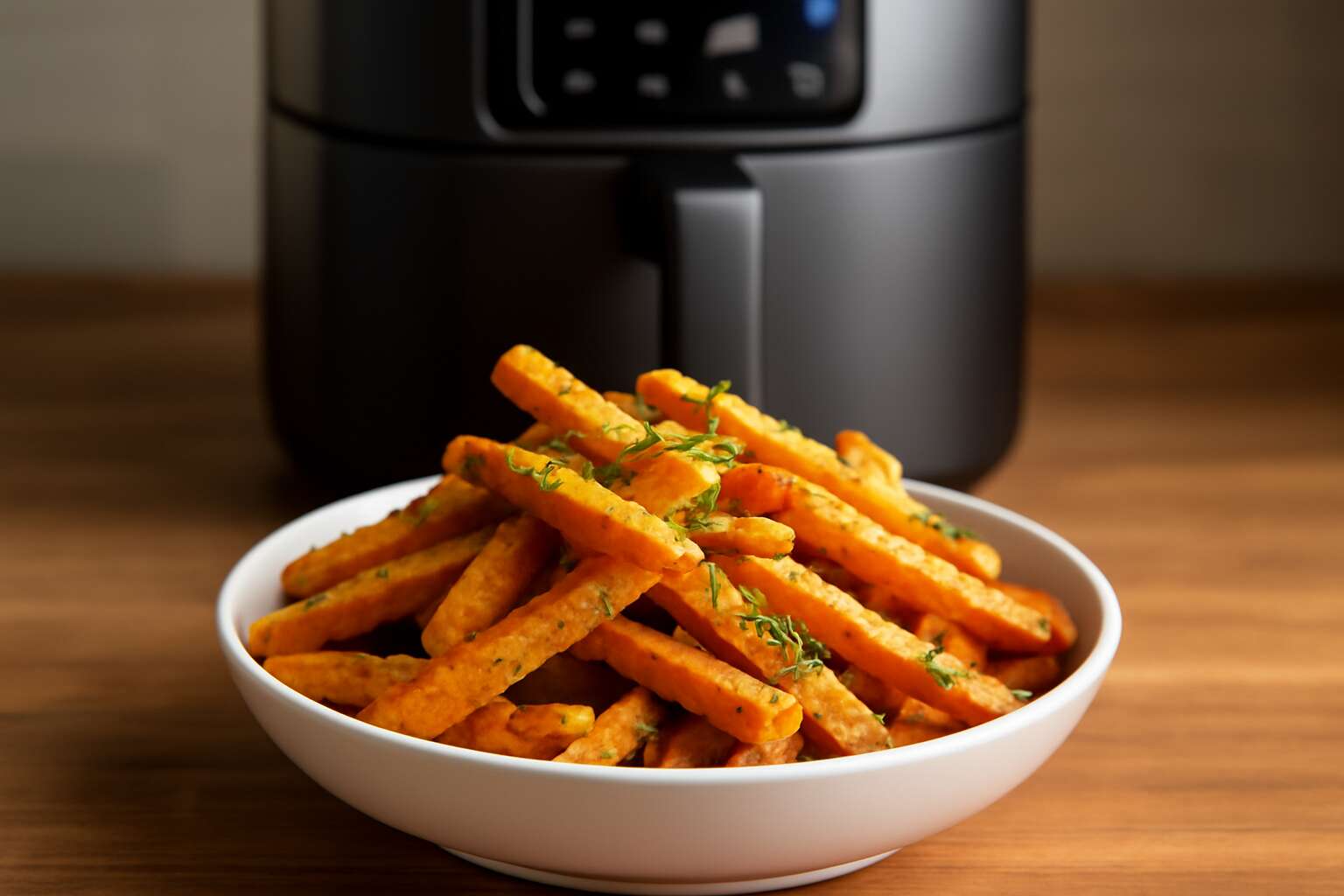
Air Fryer-Friendly Yams: Quick Overview
What makes yams ideal for air fryer cooking
Across South Africa, the quiet hum of the air fryer has become a lantern in the kitchen—proof that crisp delight can arrive with less oil. The airfryer yam stands as a beacon of modern appetite: bold, shadowed, and unexpectedly efficient. In this small theater of heat, yams brown to a lacquered sheen while their centers stay velvety. A striking stat underpins the mood: kitchens embracing airfryer yam are reporting swifter meals and deeper flavor!
Why do yams lend themselves to air fryer cooking? Their sturdy flesh resists collapse, their natural sugars caramelize with a quiet glow, and quick, even heat yields a crisp exterior with a tender interior.
- Even browning with a crisp finish
- Firm interior that holds shape
- Minimal oil, maximal flavor
These traits render a simple tuber into a nocturnal delight.
In a South African kitchen, the result feels like dusk on a plate—rich, restrained, unforgettable.
Key health and flavor benefits of air fried yams
South African kitchens are discovering a quiet revolution: the airfryer yam turning dinner into a swift, aromatic ritual. In urban kitchens, households report up to 40% faster weeknight meals when this tuber earns its crispy crown—delight!
The magic isn’t just speed; it’s restraint—its natural sweetness caramelizes with minimal oil, yielding a lacquered crust and a velvety core.
- Minimal oil, maximum savor
- Fiber-rich, nourishing texture
- Versatile with peri-peri, garlic, and smoky spice blends
Viewed through a SA lens, the airfryer yam becomes a canvas for everyday dignity—substantive, comforting, and unexpectedly elegant on the dinner table.
Common mistakes to avoid with air fryer yams
South African kitchens are discovering a quiet revolution: the airfryer yam turning weeknights into a swift, aromatic ritual. In many homes, meals arrive 40% faster, with a lacquered crust and a velvet core achieved with minimal oil. The secret lies in even cuts and steady heat—the air caramelizes where a heavy hand once struggled, making comfort feel effortless.
Here’s a quick overview of common mistakes to avoid with air fryer yams:
- Overcrowding the basket leads to soggy edges.
- Skipping preheat or using too low a temperature.
- Uneven yam pieces; keep sizes uniform for even cooking.
- Too much oil; a light gloss gives crispness without heaviness.
With these mindful steps, the tuber becomes a dependable weeknight hero—crisp at the edges, tender inside, and deeply comforting.
Quick-start checklist for beginners
Across South Africa, weeknights arrive 40% faster when an airfryer yam steps onto the stove. The aroma—dusty caramel, a lacquered crust, velvet interior—tells of quiet farm kitchens and small, stubborn comforts that feed a family after long days.
Quick-start checklist for beginners (concepts only):
- Uniform size matters for even browning.
- Light oil creates a lacquered crust without heaviness.
- A gentle heat profile supports balanced caramelization.
- Cook in batches to preserve crisp texture and airflow.
These ideas keep the kitchen honest and the yam inviting—turning a simple supper into a small ceremony where heat meets patience and every bite carries a memory of home.
A note on sweet potatoes vs yams in air fryer
Across South Africa, weeknights arrive 40% faster when an airfryer yam steps onto the stove. The promise is simple: a crackling crust and a velvet center sharing the table with quiet, undiscovered warmth.
In truth, the air fryer treats yams and their cousin, sweet potatoes, differently. Yams lean toward a drier starch and a robust, earthy sweetness that caramelizes into lacquered edges; sweet potatoes bring more moisture and a creamier interior.
The choice crafts the moment:
- Texture profile leans toward lacquered edges and tender centers
- Moisture balance shapes the bite and aroma
The result invites curiosity more than instruction, a nudge toward tasting the land in a single, sun-warmed bite.
Selecting and Storing Yams for the Air Fryer
Choosing the right yam varieties for roasting and air frying
Bold, sunlit corners of South African kitchens hum as the airfryer yam wakes, crusting to gold with a whisper of sweetness. For roasting and air frying, choose varieties that yield a creamy interior and a lacquered exterior—the sort of tuber that browns with even heat and carries a hint of pine-sweet flavor. The right yam balances starch and tenderness, inviting the eyes to gleam and the palate to anticipate that first crack of caramel.
- Firmness that speaks of moisture beneath the skin
- Even skin tone with minimal bruises
- Varieties known to brown evenly and hold shape
Stored in a quiet, airy pantry, the airfryer yam stays poised for a golden transformation, ready to mingle with herbs, chili, and a squeeze of lemon when it finally lands on your plate.
How to read and pick firm yams with glossy skin
Across South Africa, the first sign of a truly good airfryer yam is its skin: glossy, taut, and inviting. A seasoned cook asserts, “Glossy skin maps the route to caramel,” and that heat-kissed promise never fails the bite.
To read a firm yam with glossy skin, choose tubers that yield slightly to touch and wear an even hue.
- Firm, unbroken flesh
- Uniform color and minimal bruises
- Glossy, taut skin that resists dents
Store yams in a cool, airy pantry, away from sunlight and moisture. Do not refrigerate; the cold dulls sweetness and texture. For best results, keep them dry and ventilated and use within two weeks.
Best storage practices to maximize freshness
In South Africa’s kitchens, a glossy yam signals a saga of flavour waiting to awaken in the airfryer yam. A seasoned cook declares, “Glossy skin maps the route to caramel,” and the aroma confirms the prophecy. To choose, press gently to test for a yielding center and admire an even, sun-warmed hue; the tuber should wear taut skin and unbroken flesh.
Storing yams becomes a quiet ritual of respect. The aim is serenity: darkness, airiness, and distance from moisture so their sweetness remains unpruned as it rests on kitchen shelves. The pantry’s mood matters—cool and dry, with light-stepping airflow—to sustain their character until the moment the air fryer awakens them.
- Cool, airy pantry with good ventilation
- Away from direct sunlight and excess moisture
- Refrigeration avoided to preserve sweetness and texture
- Rotation to keep older tubers at the front of memory
Shelf life and signs of spoilage to watch for
In busy South African kitchens, a yam can power a week of meals when chosen with care. For the airfryer yam, look for firm flesh, taut skin, and no cracks or sprouts. A gentle press should reveal light resistance and a sun-warmed glow.
Shelf life rests in a cool, airy pantry away from moisture and direct sun, where the yam stays sweet longer. Signs of spoilage are subtle but telling:
- Soft, mushy spots under the skin
- Wrinkled skin or visible mold
- Off smell or sour aroma
- Sprouting or green tinge around the eyes
By listening to these cues, you keep the sweetness that makes it sing and honor the simple rhythms of a South African kitchen.
Tips for buying in bulk to save money
Bulk buying staples can trim South African grocery bills by up to a quarter. For the airfryer yam, that means building a stash you can rotate through the week without compromising on quality. Look for uniform, firm tubers with taut skins and no soft spots to start smartly.
When you buy in bulk for airfryer yam, let the choices guide your plan. Consider these factors:
- Price per kilogram clarity
- Uniform size for even air frying
- Storage-friendly varieties with good ventilation
- Rotation plan to minimize waste
Store bulk yams in a cool, dry, airy space, away from moisture and sun. Use breathable containers or sacks, and rotate stock to keep every batch ready for the airfryer yam you crave.
Prep Steps: Washing, Peeling, and Cutting
Washing methods to remove dirt without stripping nutrients
Nearly 6 in 10 South African kitchens now feature an airfryer on the counter, a crisp signal that humble yams can become weeknight heroes. The airfryer yam carries a rural-life honesty—crisp edges, tender centers, a memory of sun-warmed fields and shared meals.
Washing sets the stage. A gentle rinse under cool water, plus a soft brush, lifts dirt without stripping nutrients. Avoid harsh scrubbing and soaking; patience preserves the yam’s natural sweetness and color.
- Peel for a silkier bite and even texture
- Keep the skin on to preserve fiber and character
- Trim any blemishes for a uniform appearance
Cutting choices shape the experience. Rounds, wedges, or batons influence how the yam browns and stays tender inside—the goal being an even size so the airfryer yam finishes with balance and charm.
Peeling versus leaving skins on for texture and nutrients
Nearly 6 in 10 South African kitchens now feature an airfryer on the counter, and the humble yam is the star of weeknights—crisp-edged, sun-warmed, softly singing with flavor! The prep starts with a calm, almost meditative rinse, gods of flavor listening to the tap.
Washing lifts dirt without stealing nutrients. A gentle rinse and soft brush do the work. Peel for a silkier bite and even texture, or leave the skin on to keep fibre and character intact, blemishes trimmed away.
- Rings
- Wedges
- Batons
Cutting choices shape the experience. Rounds, wedges, or batons determine browning and tenderness, with the aim of even sizing so the airfryer yam finishes balanced and charming.
Uniform cutting for even cooking
In South Africa, six in ten kitchens now reach for the airfryer yam as a weeknight hero—crisp edges and a whisper of sweetness. Start with a calm rinse under cold tap water; a soft brush lifts dirt without stealing nutrients.
Peel or leave skins on for texture; either path has its virtue, especially when blemishes are trimmed with care. The goal is a clean surface that dries quickly and allows even color to bloom.
- Rounds
- Wedges
- Batons
Uniform cutting matters for even cooking in the airfryer yam philosophy. Aim for shapes that are similar in size so heating is balanced, and the yam reveals its sun-warmed sweetness with a crisp edge. From my experience, consistent pieces make the finish sing.
Common pre-seasoning prep ideas for flavor
In South Africa, six in ten kitchens now reach for the airfryer yam as a weeknight hero—crisp edges and a whisper of sweetness. Start with a calm rinse under cold tap water; a soft brush lifts dirt without stealing nutrients. Peel or leave skins on for texture; either path has virtue, especially when blemishes are trimmed with care. The surface should dry quickly to invite even color to bloom.
Uniform cutting matters for even cooking, but flavor starts with prep. Common pre-seasoning ideas for flavor can be showered on before the heat arrives. I keep a soft brush handy—dirt’s worst enemy.
- Olive oil, sea salt, cracked pepper
- Smoked paprika, garlic powder, lemon zest
- Ground cumin, coriander, chili flakes
With these steps, the yam reveals a sun-warmed interior and a crisp, almost roasty edge—seasoned simply, the way weeknights deserve.
Safe handling and avoiding cross-contamination
Across South Africa, the airfryer yam becomes a weeknight confidant—crisp edges, a whisper of sweetness, and a humble glow on the plate. A calm rinse under cold water invites freshness, while a soft brush lifts dirt without siphoning nutrients.
Peel or leave skins on for texture; blemishes disappear with careful trim, and the surface dries quickly enough to invite even color to bloom.
Uniform cutting matters for even cooking, yet safety matters more. Guard cross-contamination by keeping prep areas clean and using dedicated boards and knives.
- Keep raw yam separate from ready-to-eat foods
- Use a clean knife and cutting board, and wash hands before handling
- Rinse surfaces after handling to prevent cross-contact
When these aims align, the yam reveals a sun-warmed interior and a crisp roasty edge—seasoned simply, the way weeknights deserve.
Par-cooking options and when to use them
In South African homes, nearly 8 in 10 cooks reach for airfryer yam on busy weeknights, a speed-demon side that crisps at the edges while staying friendly to the palate. It’s the dinner alarm clock you actually want!
Washing and prep set the stage without drama: a quick rinse, then decide whether to peel for texture or leave skins for bite. The goal is clean, not clinical, and ready for roasting glow.
Uniform cutting matters more than flamboyant technique; safety first, obviously. When the clock is screaming, consider par-cooking options to prime the yam for a quick finish in the airfryer.
- Par-cooking option: blanching to nudge interior tenderness while preserving color
- Par-cooking option: microwaving for a speedy soft start
- Par-cooking option: steaming to lock in moisture
These choices keep the airfryer yam versatile across weeknights, delivering a sun-warmed center and a roast-edge that begs to be tasted.
Cooking Guides: Time, Temperature, and Results
Standard crisp-roast method for fragrant, golden yams
In South Africa’s kitchens, a yam roasted in a high-heat appliance quietly becomes a star—fragrant, golden, and surprisingly light on oil. A good yam offers crisp edges and a soft, custard-like interior. Time and heat, a veteran SA cook notes, are the poetry behind texture.
For the airfryer yam, the standard crisp-roast method leans on steady, high heat and a brisk finish. Aim for about 200°C and 12 to 15 minutes, with a halfway flip to coax a crackling shell and a tender heart. This approach respects the yam’s natural sweetness and perfumes the kitchen.
- Time: 12–15 minutes total
- Temperature: around 200°C (392°F)
- Results: fragrant, golden yams with crisp edges and fluffy centers
What emerges is a sensory contrast—the crackle you hear, the lingering aroma, and the soft interior that South Africans crave! The method scales from a single yam to a larger tray while preserving rhythm and texture.
Adjusting times for different yam sizes and air fryer models
Time and temperature are the quiet architects of an airfryer yam. The baseline—200°C for 12–15 minutes—remains dependable, yet size and model steer the choreography. In South Africa’s kitchens, a lean yam blooms quickly; a heftier specimen asks for a longer, patient glow.
- Small yam: 9–12 minutes
- Medium yam: 12–15 minutes
- Large yam: 15–18 minutes
- Older models: add 1–2 minutes
Adjustments hinge on the yam’s girth and the quirks of your air fryer. Flip halfway to coax a crackling shell and a tender heart. When the exterior sears too bravely, soften the heat; when the center stays shy of fluff, nudge the time. The resulting airfryer yam is fragrant, gilded, and perfectly fluffy inside.
Flavor boosters: spices, oils, and coatings that work well
In the quiet kitchen, time and temperature are the quiet architects of an airfryer yam. The baseline rhythm yields a shell that crackles and a heart that stays tender, a balance South African cooks chase after weeknights. The dance between heat and restraint shapes each bite—golden shell, soft interior, and a fragrance that calls you back.
Flavor boosters—spices, oils, and coatings—do the talking.
- Smoked paprika with garlic powder for warmth
- Olive oil spray or sesame oil for sheen
- Cornmeal dusting or breadcrumbs for extra crunch
- Classic herb blends: thyme, rosemary, or peri-peri
When assembled with care, this dish becomes a fragrant, gilded centerpiece—crisp on the outside, fluffy within. That is the signature.
Testing doneness and achieving fluffy interiors
In South African kitchens, timing is the secret spice—stories say a well-timed roast on the airfryer yam can lift weekday dinners by a notch or two. A surprising 25% of cooks report fuller fluff and crisper shells when heat meets restraint, a quiet alliance that yields golden interiors without chasing dryness.
Time and temperature are not tyrants but partners, guiding a gentle transformation. Doneness emerges as textural evidence: a fork slides in with ease, and steam carries the yam’s nutty sweetness. The interior should stay tender yet airily moist, a fluffy center that invites another bite rather than a sigh.
- Crust that glints with a whisper of bronze
- Interior that yields lightly under pressure, not dense
- Aromatic fragrance signaling caramelized notes
With flexible models and varying yam sizes, this guide remains a compass—patients stay the master of the golden, fragrant heart of the yam.




0 Comments