Understanding the Core Differences
The Mechanism of Rapid Air Technology
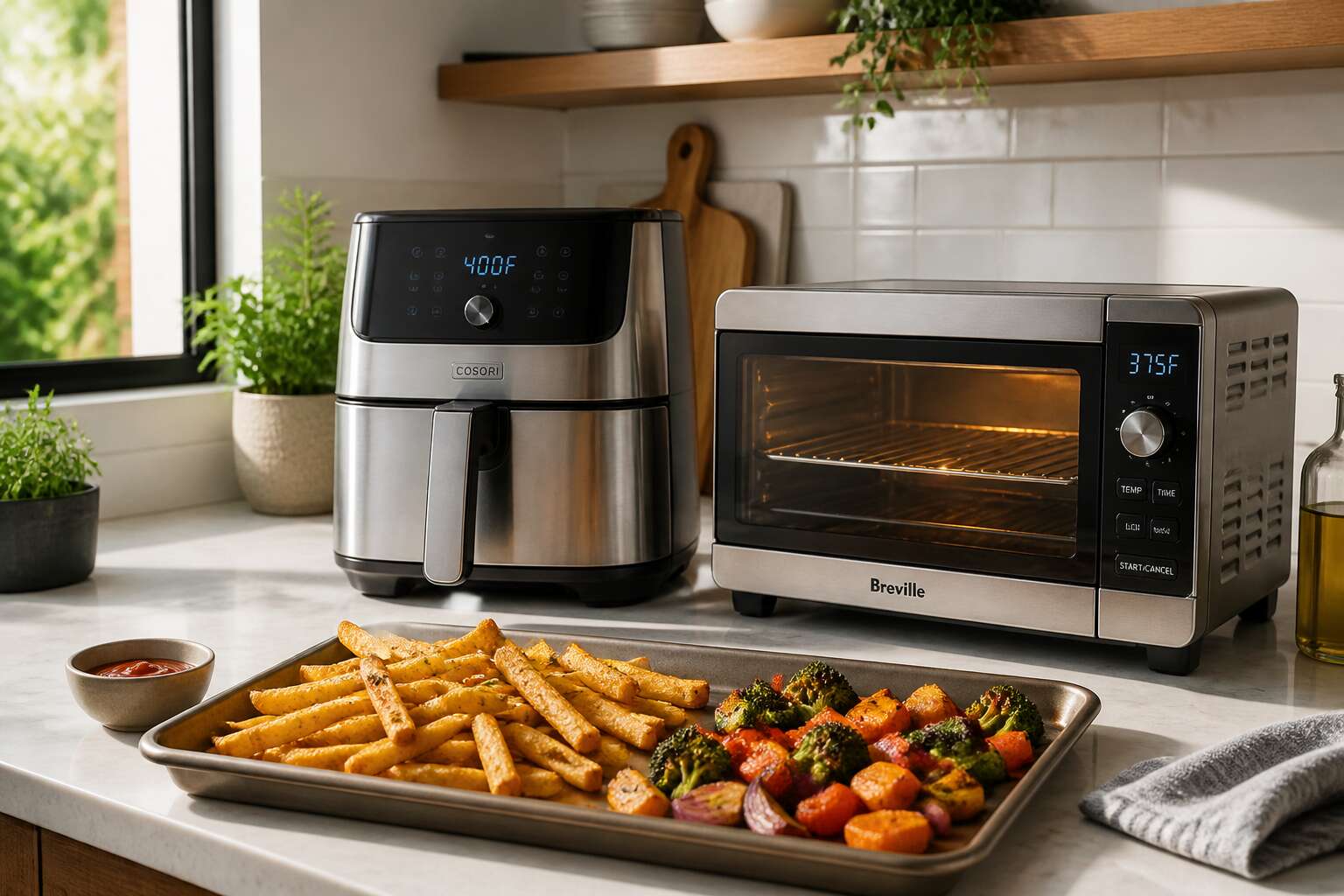
I rarely see people understand the true mechanism behind their appliances. The air fryer and oven operate on different principles. A conventional oven relies on radiant heat from elements at top and bottom. This creates hot spots unless you rotate trays. Rapid air technology works differently! A high-speed fan circulates hot air within a compact chamber, ensuring every surface meets the same temperature.
Here is what sets them apart:
- The oven heats via static radiation.
- The air fryer uses forced convection.
- Air circulation speeds up cooking and browning.
How Ovens Use Radiant Heat
Walk past a working oven and you feel it! Radiant heat pours through the glass. The elements glow red and throw heat at whatever faces them. It works for a Sunday roast, but it creates uneven results. The top burns while the middle stays pale, unless you rotate the tray. That is the core difference between an air fryer and oven. The heat only touches surfaces facing the element directly.
Air fryers use forced convection. A fan pushes hot air around the chamber, so heat reaches every side at once. When you weigh up an air fryer and oven, think about time and volume.
Here is the comparison:
- Radiant heat is slower and less even.
- Forced convection is faster and more consistent.
- Ovens suit large meals; air fryers suit smaller batches.
Radiant heat builds a good crust on bread. But for speed, the air fryer wins.
Impact on Texture and Crispiness
The moment your fork breaks the surface is the true test. In an oven, radiant heat creates a brittle, golden shell on the exposed top, while the bottom may remain pale and damp. That asymmetry defines the texture. The difference between an air fryer and oven becomes obvious once you bite into food prepared by each.
An air fryer’s moving air pulls moisture away from the entire surface at once. This creates a consistent crackle across every side, something a conventional oven rarely delivers. For bread or certain roasts, the oven’s uneven warmth builds a hearty crust. For a quick batch of frozen snacks or leftover fried food, the air fryer restores a dry, snappy exterior that mimics fresh cooking.
- The oven gives you a contrast between a crisp top and a softer base.
- The air fryer yields an even, all over crispness with less interior moisture loss.
Texture is an essential part of how flavours release and how satisfying each bite feels. Choose based on the desired crust, not the convenience alone.
Moisture Retention and Flavor
Flavour, much like a decent Pinotage, is all about concentration. Water dilutes taste. When you consider the air fryer and oven, you are really pitting two different dehydration strategies against one another. The oven’s radiant heat is a slow, sombre process. It evaporates moisture steadily, which allows complex flavours to develop over time. This is ideal for a Sunday roast where the meat fibres break down and the sugars in vegetables caramelise unhurriedly.
The air fryer, however, is a blunt instrument of evaporation. Its violent convection strips surface moisture almost immediately. This locks in the interior juices but leaves less time for chemical flavour development.
– The oven produces a deeply savoury, roasted complexity.
– The air fryer delivers a purer, more direct taste of the main ingredient.
Neither method is wrong, but they produce vastly different flavour profiles. The air fryer and oven demand you decide what matters more: a rich, layered taste or a quick, clean bite. One leaves you with a kitchen filled with the aroma of slow cooking. The other gives you your dinner in a third of the time with a flavour that is simple, honest, and thoroughly uncomplicated. This matters when you compare the air fryer and oven for everyday cooking.
Performance and Cooking Efficiency
Cooking Time Comparison
The most honest measure of a kitchen appliance is the countdown. Put the same batch of roast potatoes in both contenders, and the air fryer and oven will tell you a story about patience. For the air fryer, preheating is barely an afterthought. For the oven, it is a necessary ritual that can eat up a solid ten minutes before the cooking even begins.
This disparity widens into a gulf when you consider a full meal. A conventional oven might need forty minutes for a chicken dinner, while a good air fryer and oven combination can achieve a similar result in under twenty-five. That time saving is not a small perk; it is the difference between a rushed weeknight and a leisurely one. I find the highest efficiency comes with smaller batches, but the trade-off is often worth every saved minute for South African kitchens.
- Frozen snacks shift from freezer to plate in under fifteen minutes.
- Leafy greens like kale crisp up in five minutes or less.
- Root vegetables, such as butternut, soften and caramelize in a fraction of the oven time.
- Fish fillets reach a flaky finish while the oven is still climbing to temperature.
Air fryer and oven time comparisons become a question of volume versus velocity. When you need to feed a crowd, the oven’s larger cavity wins on capacity. When you crave speed and efficiency for a quick solo meal, the air fryer is the undeniable champion of the clock.
Temperature Consistency and Control
Temperature consistency separates a reliable appliance from a temperamental one. The air fryer and oven use different methods to achieve it. An air fryer holds its set point within a few degrees, thanks to a rapid heating cycle. A conventional oven allows larger fluctuations, sometimes ten degrees or more, before the thermostat pulls it back. That gap changes the outcome for delicate batters and slow-cooked sauces.
I have noticed that control follows consistency. With the air fryer, an internal thermocouple reads the chamber continuously and adjusts power in small bursts. With the oven, thermal mass smooths sudden changes but delays recovery after the door opens.
- Custards set without cracking when the temperature holds steady.
- Soufflés collapse if the chamber strays too far in either direction.
Your choice between the air fryer and oven hinges on the recipe.
Batch Cooking and Capacity Limits
Many South African households feed four or more at dinner, yet the standard air fryer basket barely holds two chicken breasts. That physical limit shapes the performance gap between the air fryer and oven. For a solo meal or a small snack, the air fryer reaches temperature quickly and uses far less electricity. The oven’s large cavity needs more time and energy, but it handles heavier loads readily.
Batch cooking exposes the true efficiency boundary. An air fryer works best as a single layer; anything thicker reduces air flow and extends cooking time. The oven, however, spreads heat across large trays and racks, so you can roast a whole chicken while baking sweet potatoes. Consider common batch sizes:
- Air fryer: 500 grams of chicken thighs at most
- Oven: 2 kilograms of meat across two trays
The air fryer and oven trade off in predictable ways. The air fryer rewards short, frequent cooking. The oven rewards planning and volume. Both use energy differently, and neither fully replaces the other for South African kitchens that mix quick weekday meals with big Sunday lunches.
Health and Nutritional Considerations
Oil Usage and Fat Reduction
According to the South African Heart and Stroke Foundation, reducing dietary fat is one of the most effective ways to lower cardiovascular risk. That alone makes the choice between an air fryer and oven relevant for daily cooking. The air fryer relies on a tablespoon of oil, or often none at all, to achieve a golden crust. A conventional oven requires no oil for roasting, but it also does not produce the same crispy texture without additional coating or basting.
Consider chips. A batch cooked in an air fryer absorbs roughly 70% less oil than a deep-fried portion. The same chips in an oven need a light oil spray to crisp properly. That difference matters for anyone tracking calorie intake. The air fryer and oven both allow fat reduction, but the air fryer achieves it with less effort and more consistent results.
Nutrient Retention at High Heat
Heat does not care about your vitamins. It destroys them with cheerful indifference. When comparing the air fryer and oven, nutrient retention comes down to one lever: time.
A potato chunk in an oven may spend 40 minutes in radiant heat. In an air fryer, the same chunk emerges in 15 minutes. That shorter window means fewer heat-sensitive nutrients, such as B vitamins and vitamin C, break down.
Three factors drive this difference:
- Cooking duration
- Air circulation speed
- Thermal mass of the food
I have noticed that oven-roasted vegetables often look deflated. The air fryer keeps them brighter, a small but telling sign of nutrient preservation.
Formation of Acrylamide and Other Compounds
Acrylamide carries a probable carcinogen label from the World Health Organization. It forms when starchy foods cross 120°C, and the air fryer and oven both trigger it through dry heat. The difference is timing. An oven’s radiant warmth lingers over a long bake, giving acrylamide room to build on every browned edge. An air fryer rushes the same food through in minutes, leaving less time for the reaction to run its course.
- Higher surface temperature spikes the reaction rate
- Longer cooking periods extend the production window
- Rapid air circulation shortens peak heat exposure
Here is where the air fryer and oven diverge. The shorter cycle tends to keep acrylamide levels lower than a conventional oven’s extended heat, though the crust still carries the compound. Lower levels, not zero.
Healthier Frying Alternatives
South African kitchens face a daily choice between speed and tradition. The air fryer and oven each produce a cooked meal, but they alter the food’s nutritional profile in different ways. The air fryer finishes in minutes, limiting the duration of high heat. The oven stretches that duration, which changes the glycemic response. Neither device is inherently superior. The result depends on the food itself.
Healthier frying alternatives are possible with either machine.
- Root vegetables crisp without any added substance
- Crushed seed coatings alter digestion rates
- Fruit slices concentrate sugars under rapid heat
They simply offer separate options. One uses a burst. The other uses a sustained heat.
Dietary Adjustments for Recipes
Two appliances, two nutritional effects. South African kitchens increasingly ask whether the air fryer and oven can be tailored to specific dietary needs. The answer lies in recipe modifications. An air fryer excels with lean proteins, needing a dry rub to crisp. An oven, however, benefits from moisture-rich marinades to prevent dryness.
Adjusting recipes involves more than timing. From my own testing, these shifts matter:
- Reduce sugar in fruit-based dishes for the air fryer, as rapid heat concentrates sweetness.
- Increase liquid content in oven bakes to compensate for prolonged exposure.
These changes directly influence glycemic load and satiety. Neither machine forces compromise, but each demands awareness. They serve distinct nutritional strategies, not interchangeable outcomes.
Cost, Energy, and Maintenance
Electricity Consumption and Utility Costs
Talk about a drain on your monthly budget. The real cost of cooking lies beyond the purchase price, hiding in your electricity bill and the time you spend scrubbing trays. In South Africa, where power tariffs climb steadily, choosing between an air fryer and oven involves more than preference; it demands a careful look at running expenses.
Your wallet feels the difference quickly. An air fryer uses a focused heating element to cook smaller portions in minutes, drawing roughly half the wattage of a conventional oven. A full-sized oven, by contrast, must preheat an entire cavity, wasting energy on empty space. Over a year of regular use, that gap compounds into a noticeable utility saving. Here’s the catch though, maintenance and energy consumption often get overlooked in the shopping aisle.
– Air fryer: lower wattage, faster cook times, and minimal oil splatter.
– Oven: higher energy draw, longer preheating, and more surface area to clean.
– Replacement parts: air fryer baskets cost less than oven heating elements.
Energy consumption also depends on how you cook. Are you roasting a single chicken breast or a Sunday feast for six? The air fryer and oven each have their moments, but for daily meals, the air fryer usually wins on electricity use. However, an oven retains heat better for batch baking, so the utility costs balance out when you fill every rack. Beyond your meter, consider upkeep. An air fryer’s non-stick basket needs a gentle wipe, while an oven’s stubborn grime demands chemical cleaners and elbow grease. In the long run, those small daily habits define your total spend.
Initial Purchase Price vs. Long-Term Value
In South Africa, the initial purchase price of an air fryer and oven reveals only part of the total cost. An air fryer typically costs less at the counter, yet its heating element may need replacement after a few years. A conventional oven requires a higher upfront sum, but its robust build often outlasts two air fryers.
Consider maintenance. Air fryer baskets are cheap to replace, while oven door seals and thermostats demand more expensive repairs. Over a decade, the long-term value of each appliance depends on your cooking frequency and portion sizes.
- Air fryer: lower entry cost, but recurring accessory purchases.
- Oven: higher entry cost, but fewer consumable parts.
Personally, I weigh my habits before spending. If you roast weekly, the oven earns its keep. For quick meals, the air fryer and oven comparison favors the fryer.
Cleaning and Upkeep Requirements
A recent Gauteng consumer survey found that upkeep costs account for nearly one fifth of the total ownership price of an air fryer and oven. Most households ignore that figure until a repair invoice arrives.
Cape Town’s coastal humidity changes the equation. A compact air fryer and oven comparison in working kitchens shows the fryer’s basket needs degreasing after every third batch. Salt air accelerates seal wear, and cooking oil residue hardens faster in cooler months. An oven’s enamel interior wipes clean with a baking soda paste, yet its rack runners collect stubborn grease.
- Air fryer basket: soak in hot soapy water after each meal
- Oven glass door: vinegar spray every second week
- Hinges and seals: inspect monthly for flexibility
Maintenance costs hide quietly. I have replaced two air fryer baskets in three years, while my oven still uses its original thermostat. Johannesburg service callouts run near R850 per hour, but a well maintained oven avoids that expense for a decade.
Maximizing Versatility in Your Kitchen
Foods That Excel in Quick-Fry Cooking
Your grandmother’s oven had one setting: hot. Mine was not much more persuasive. Quick-fry cooking changed the arrangement, because the air fryer and oven now share the workload more sensibly.
Some foods handle this treatment remarkably well!
- Frozen calamari rings crisp without turning rubbery
- Butternut cubes develop caramelised edges while the centres stay tender
- Beef strips build a crust energetic enough for a Tuesday dinner
The art lies in assigning each ingredient to its appliance. A small batch of chicken livers thrives in the air fryer’s rapid circulation. A larger tray of sosatie skewers needs the oven’s steady, broad heat. Once you respect that division, your kitchen gains a flexibility no single machine could offer.
Classic Dishes Best Left to the Oven
Every kitchen has recipes that demand the oven’s broad, steady heat. A whole chicken, a slow-braised oxtail, or a crusty bread loaf. These classics rely on ambient warmth rather than rapid circulation. The air fryer and oven each bring distinct advantages, but versatility means knowing when to step back. A layered lasagna needs time for the sauces to meld and the top to bronze evenly. That gentle transformation is the oven’s craft.
Consider these oven-only classics:
– Slow-cooked pot roast with root vegetables
– A baked custard or milk tart
– Sourdough or artisan bread
The air fryer and oven coexist best when you honour their strengths. I always turn to the oven for these classics. Accept that some dishes are simply better left to the oven. Your cooking becomes less about force and more about intention!
Adapting Oven Recipes for Rapid Air Cooking
The air fryer and oven can share recipes, but only if you adjust the conversation between heat and time.
I learned this while adapting my grandmother’s roasted butternut, a dish built for slow oven caramelisation. In the rapid air cooker, I reduced the temperature by 15 degrees and cut the cooking time nearly in half. The result? Edges crisped, centre tender. Here is what I keep in mind when translating oven instructions:
- Lower the heat by 10 to 20 degrees.
- Reduce liquid, since less evaporates.
- Check doneness earlier, often five minutes before the timer.
These small shifts honour the recipe’s soul without fighting the appliance’s nature. Both tools reward cooks who listen.
Accessories and Add-Ons for Expanded Use
South African cooks rarely pair the air fryer and oven. I believe they should. The right accessory expands both! A stacking rack adds a tier for crispy snacks while the oven bakes bread. Skewers turn the rapid cooker into a braai stand for sosaties. A cast iron pan inside the oven achieves deeper searing. You can even use a pizza stone in both devices with careful timing.
One owner sliced cheesecake using a springform tin. Another poached eggs in a muffin tray. These small investments multiply functionality.
Here is what expands meal options:
- Grill racks for layered browning
- Silicone baskets for delicate fish
- Ceramic ramekins for individual desserts
Each tool respects the appliance’s heat.
Creative Baking and Roasting Techniques
Two appliances, one kitchen, and a world of meals between them. The trick is to stop treating them as rivals. South African kitchens are known for robust flavours, and both machines can deliver. Use the air fryer for a quick roast of spiced potato wedges. At the same time, the oven handles a slow-cooked lamb shoulder. The results are complementary, not competitive.
Some techniques push the boundaries of what you expect. Try making gnocchi in the basket until golden. Roast whole garlic bulbs in the oven for a sweet, mellow paste. Bake small custards in ramekins using the air fryer’s circulating heat. The oven remains the champion for larger bakes, like bread or a full chicken.
These methods work well together:
– Crisp chickpeas in the air fryer while roasting vegetables in the oven.
– Use the oven for a lasagne, then finish the cheese topping under the air fryer’s blast.
– Bake a cheesecake in the oven, then brown the top in the rapid cooker.
Each appliance brings a distinct strength to the same meal. See what your air fryer and oven can really do.


0 Comments